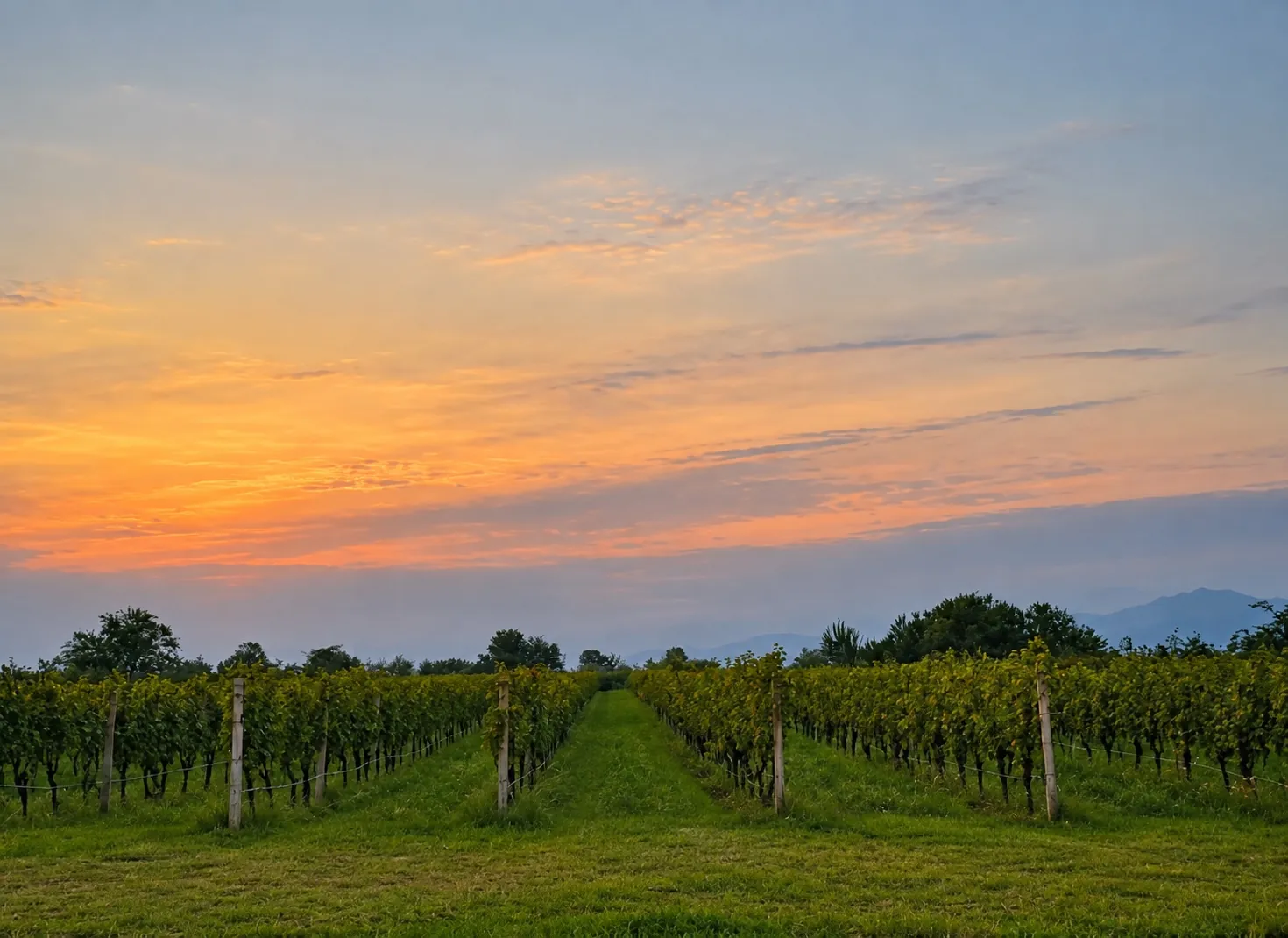
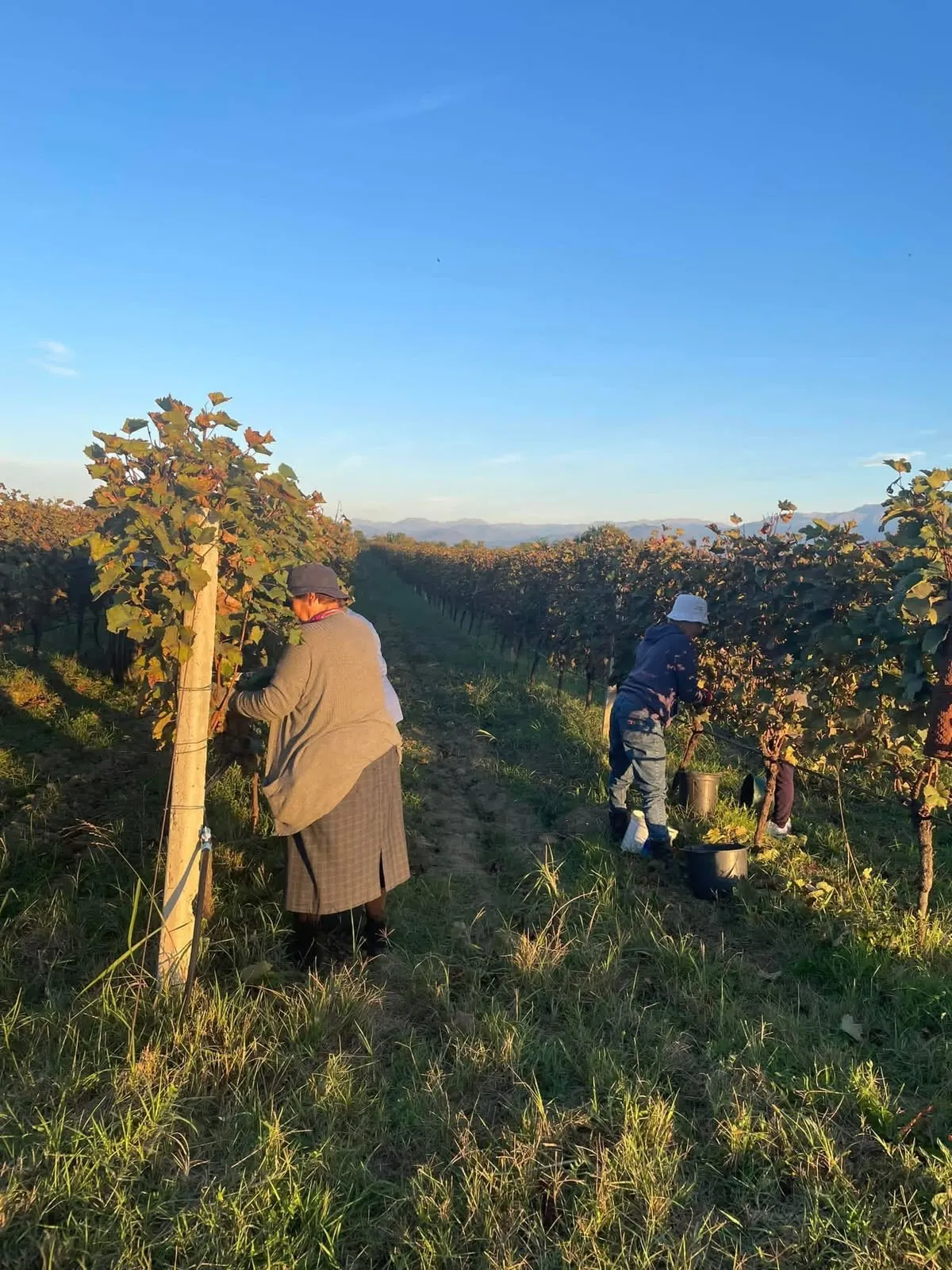
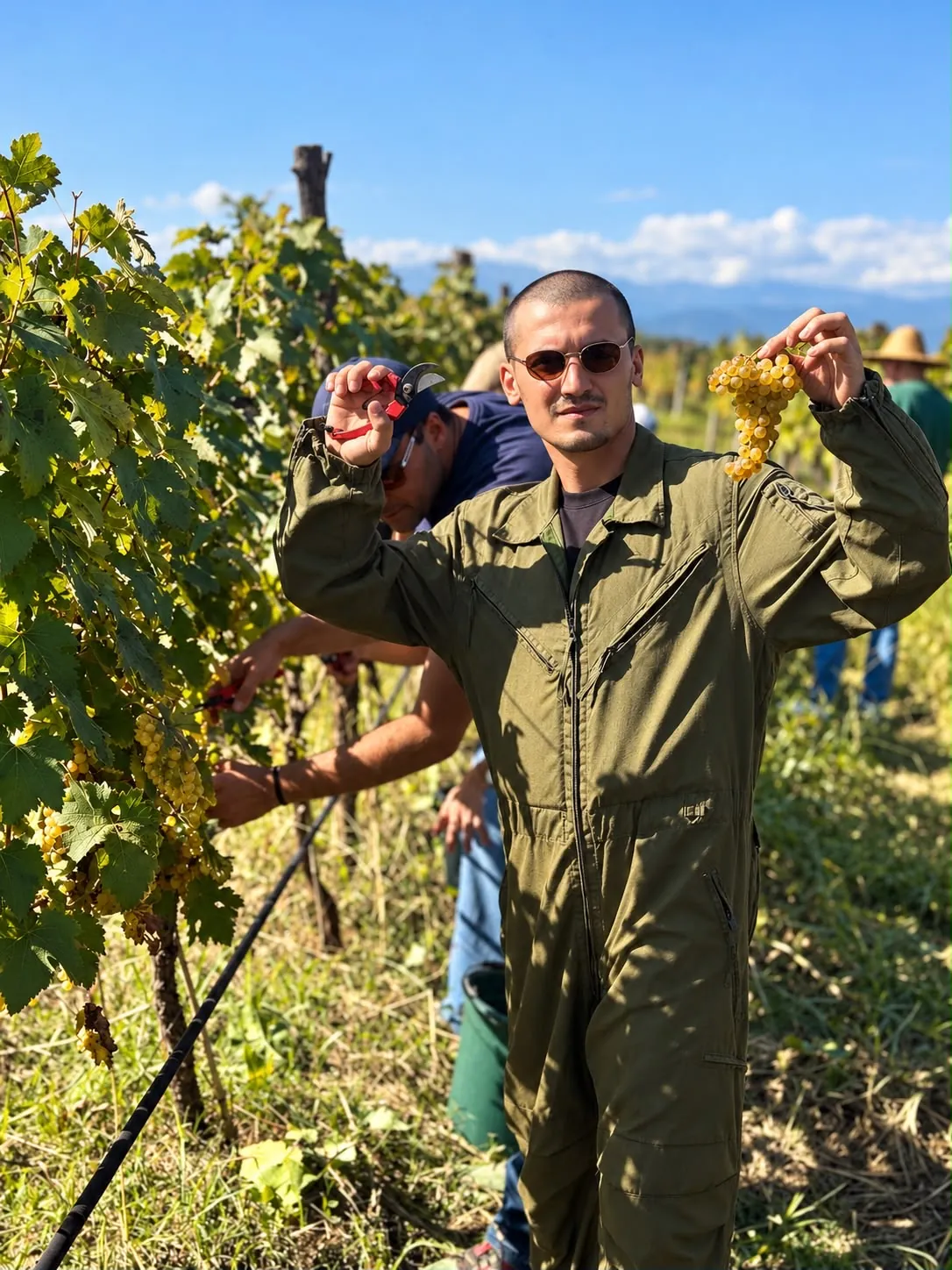

Maiseli vineyard rows beneath a glowing Georgian sunset

Family qvevri winery · Georgia

Wine from the century-old cellar

since 1908

The Collection

Discover our wines

Eight wines in three directions — ancient qvevri, qvevri meeting French oak, and Georgia's naturally semi-sweet tradition.

“Since 1908, guided by Georgian soil, the qvevri, the vine, and a tradition passed from one generation to the next.”

Our Story

Four generations, one qvevri

The story of Maiseli Winery began in 1908, when our great-grandfather buried the family’s first qvevri in the earth and began making wine using the ancient traditional Georgian method.

More than a century has passed since then, yet our family’s winemaking tradition has never been interrupted. The knowledge, experience, and deep respect for wine have been passed down from generation to generation.

Even today, we continue to make wine in the very same qvevri that was placed in the earth in 1908 — a vessel that has witnessed generations of our family and more than a century of winemaking history.

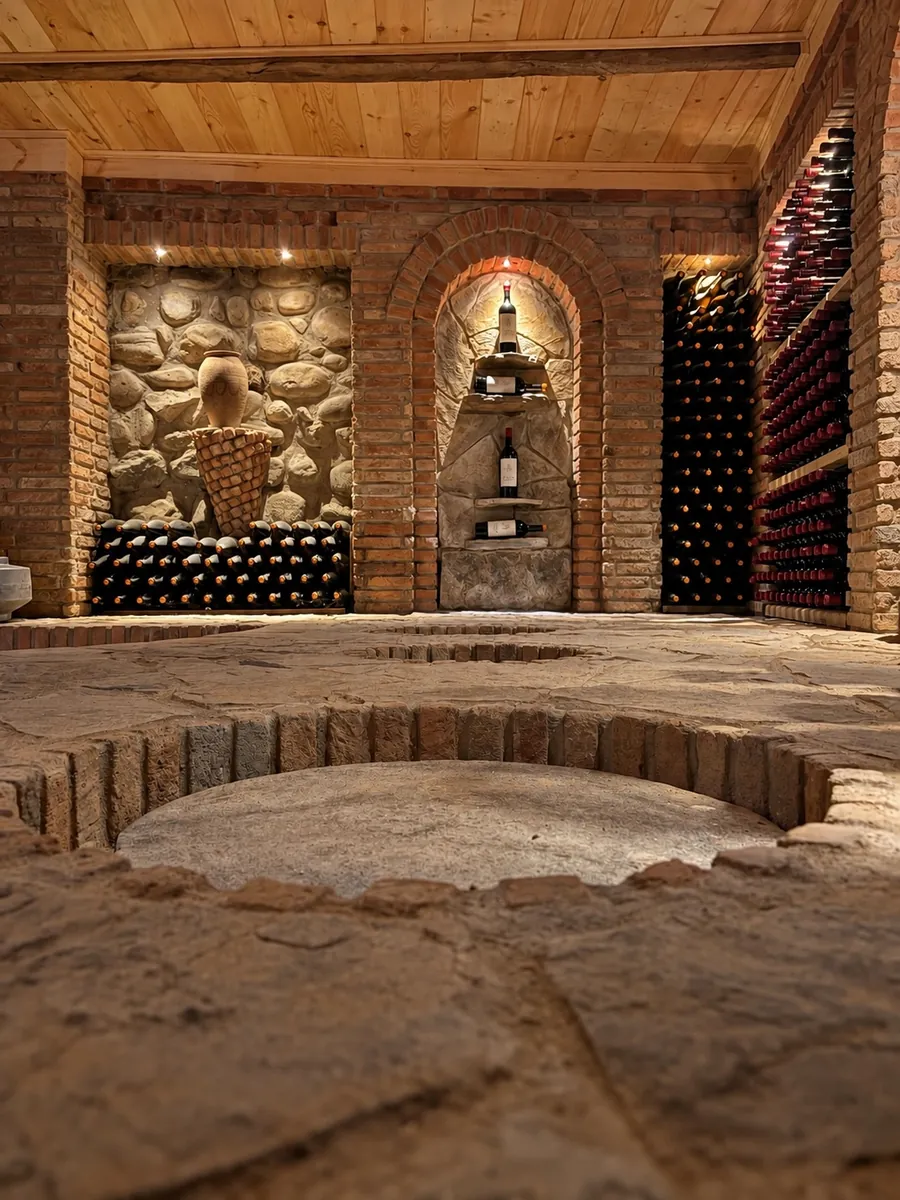
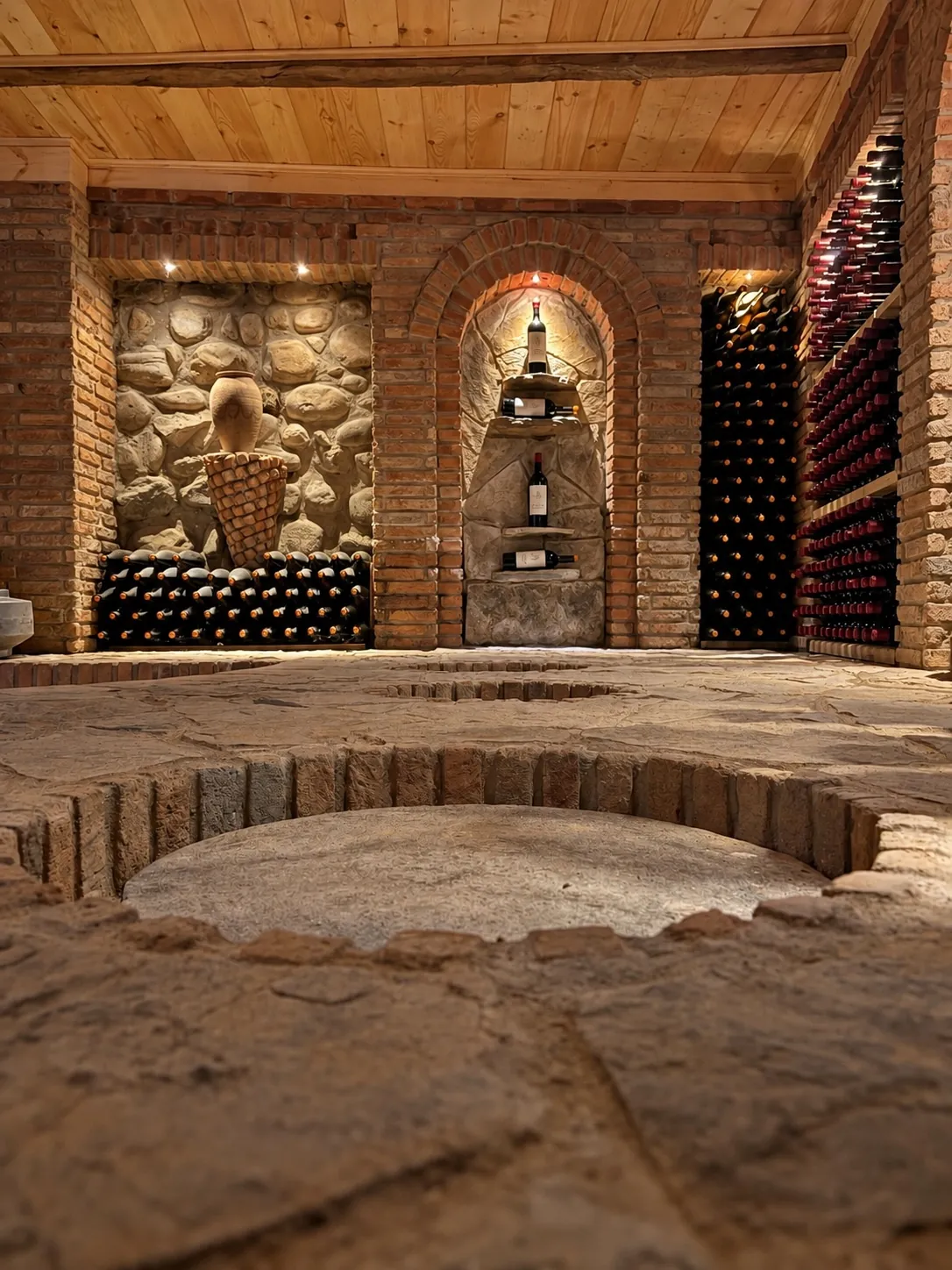
Qvevri set into the stone floor of the Maiseli cellar
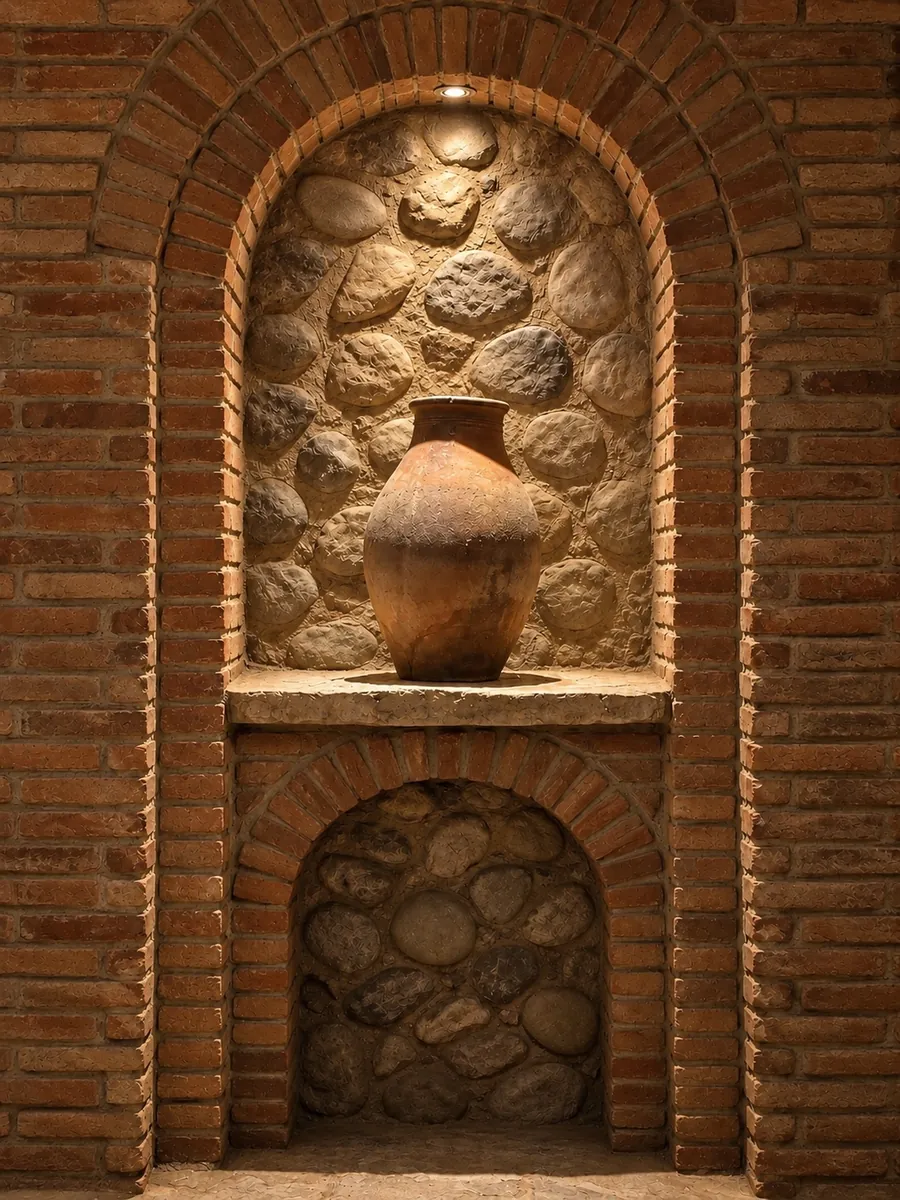
Clay vessel in a brick-arched niche

The meaning of Maiseli

“One who belongs to May”

May is when nature fully awakens, the vines come to life, and the journey toward a new harvest begins. Traditionally, it was also the month our family opened the qvevri that had remained sealed for months — when last harvest’s wine revealed its true character for the first time.

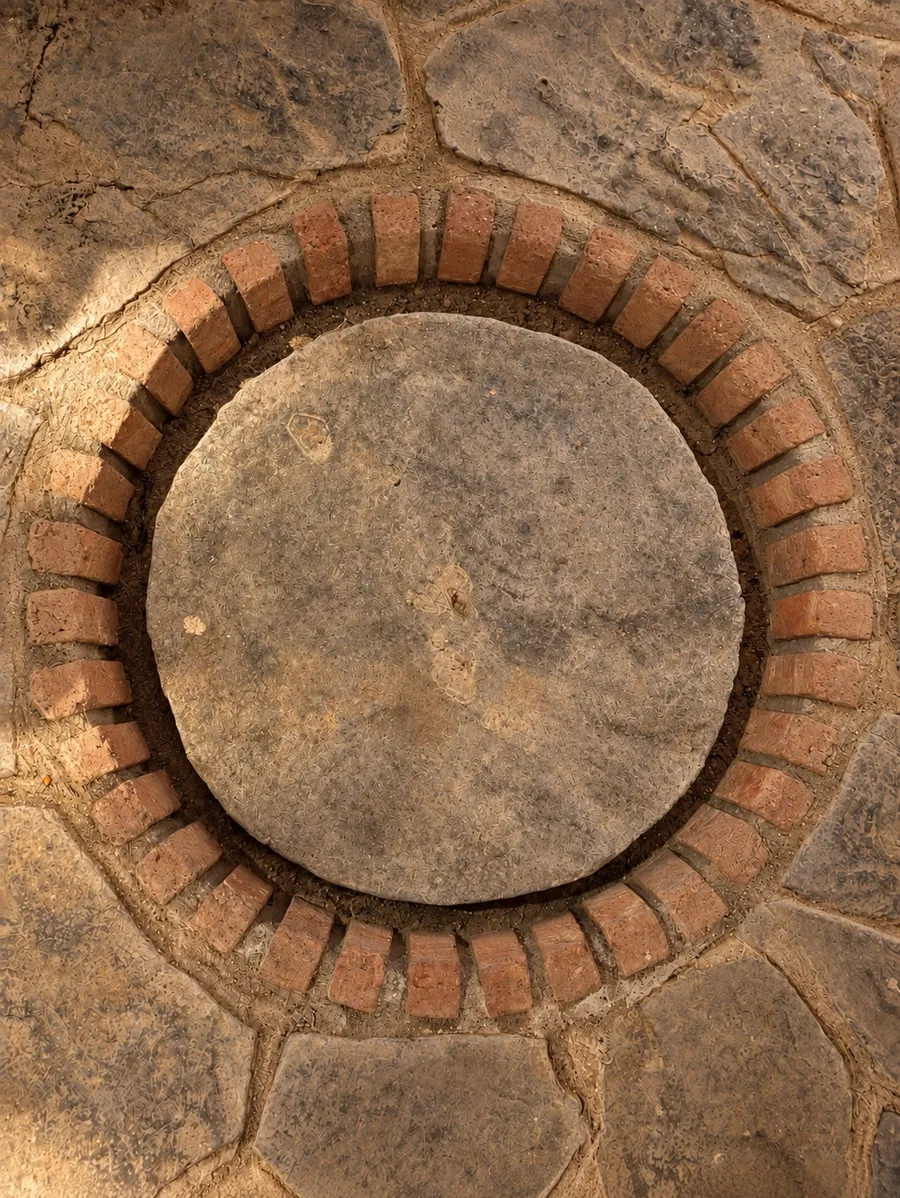
The round clay lid of a sealed qvevri in the cellar floor

I. A chapter ends
the qvevri is opened

Tending the vines in late spring

II. Another begins
the vines awaken

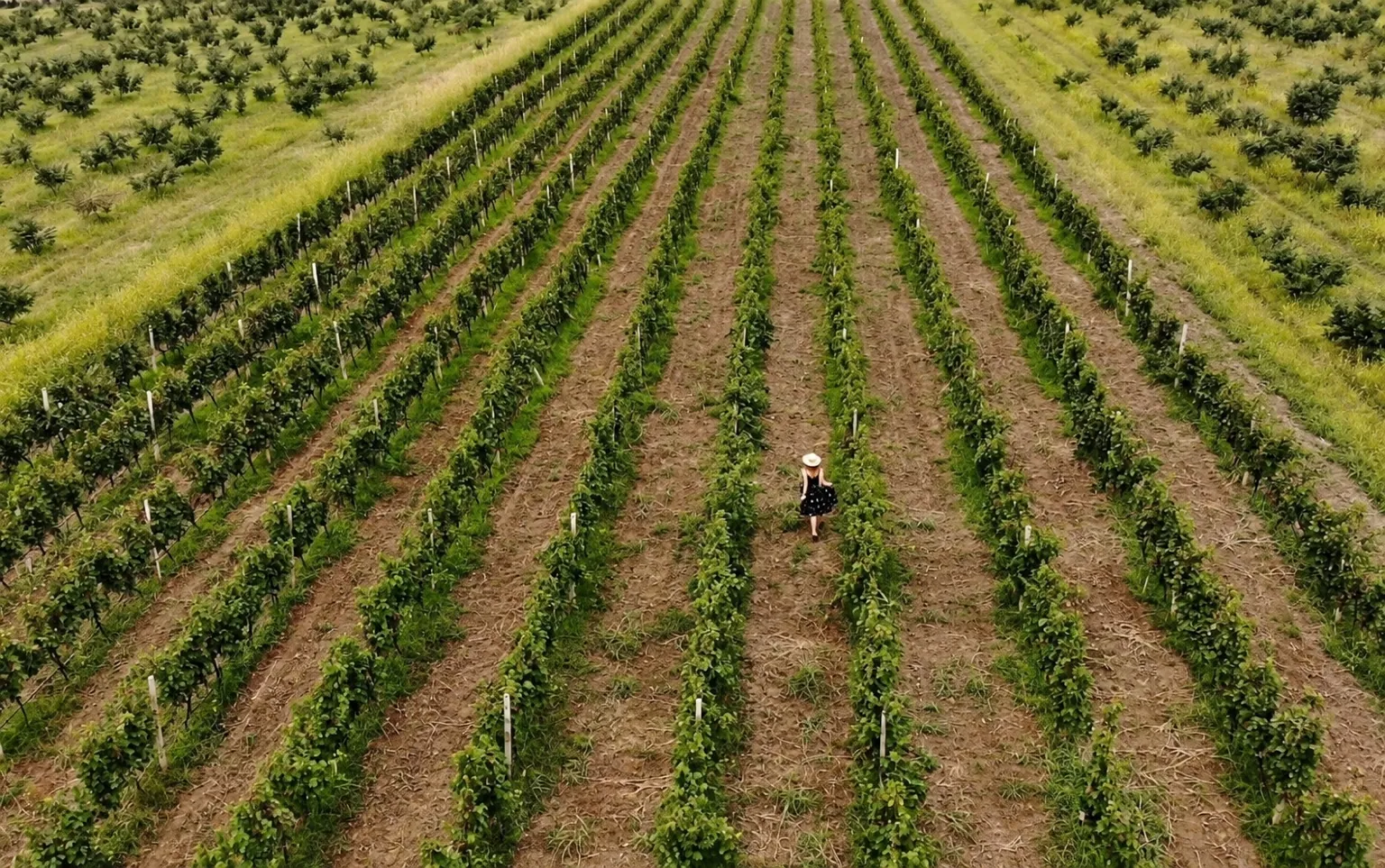
Aerial view over the rows of the Maiseli vineyard

Our Vineyard

Great wine begins in the vineyard

With respect for the land, work by hand, and harmony with nature.

0hectares of our own vines
0indigenous Georgian varieties
0the year our first qvevri was buried
By handtending, pruning, selecting & harvesting

Maiseli Winery owns a 2-hectare vineyard, where we grow indigenous Georgian grape varieties — Kisi, Rkatsiteli, Tsolikouri, and Saperavi.

In caring for our vineyard, we place particular emphasis on maintaining the natural balance of the ecosystem, preserving soil health, and supporting the healthy development of the vines. We use only products permitted in organic farming, protecting the vineyard’s natural environment while producing healthy, high-quality grapes.

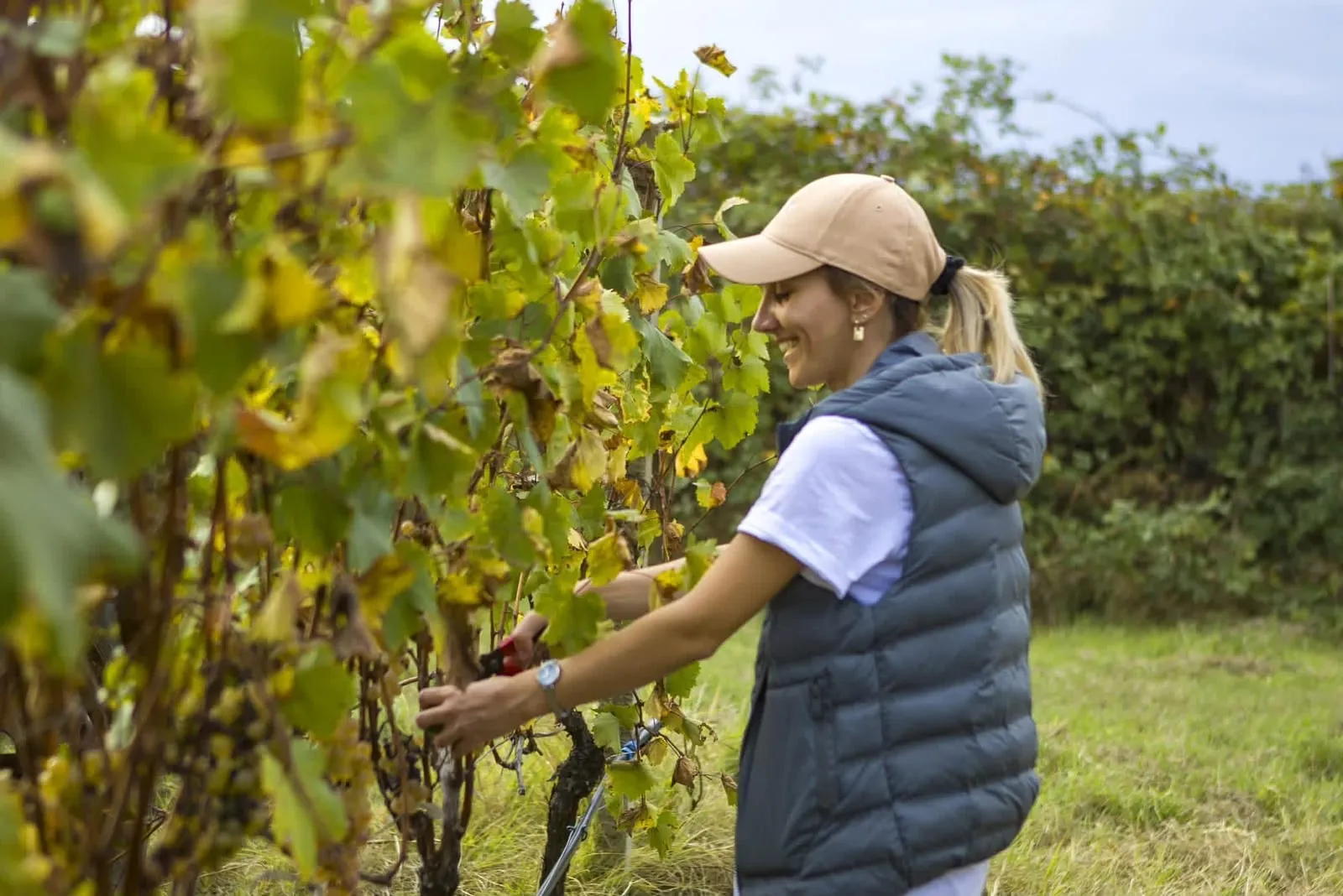
Most of the work is done by hand — from tending and pruning the vines to carefully selecting and harvesting the grapes. This hands-on approach lets us give individual attention to each vine.

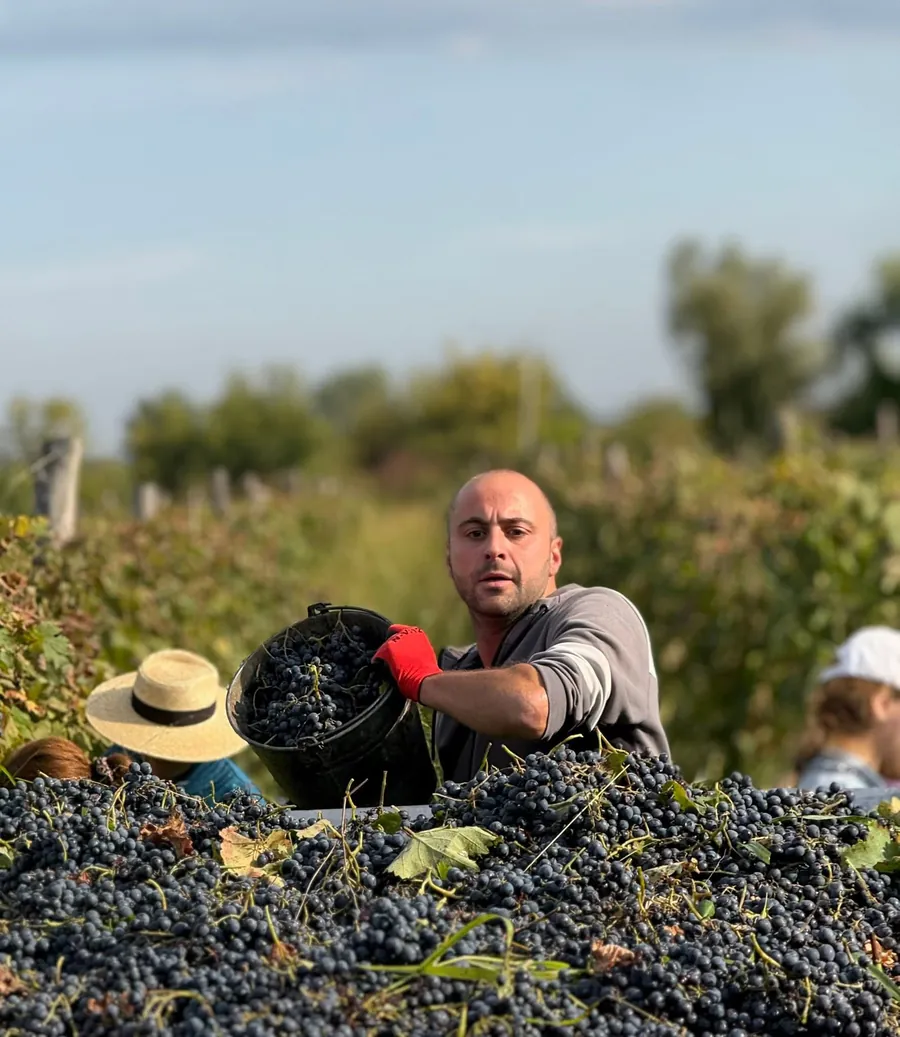
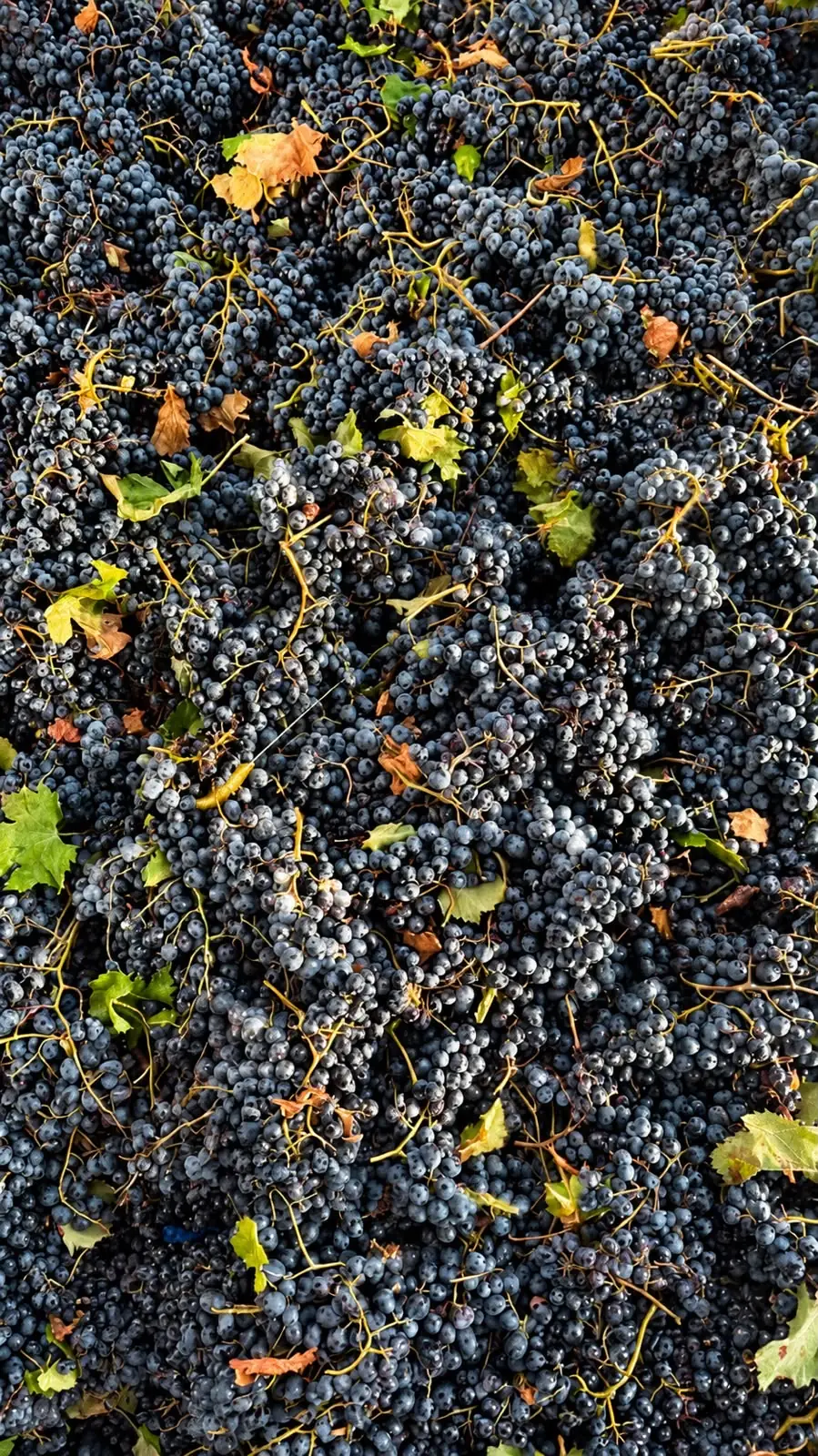
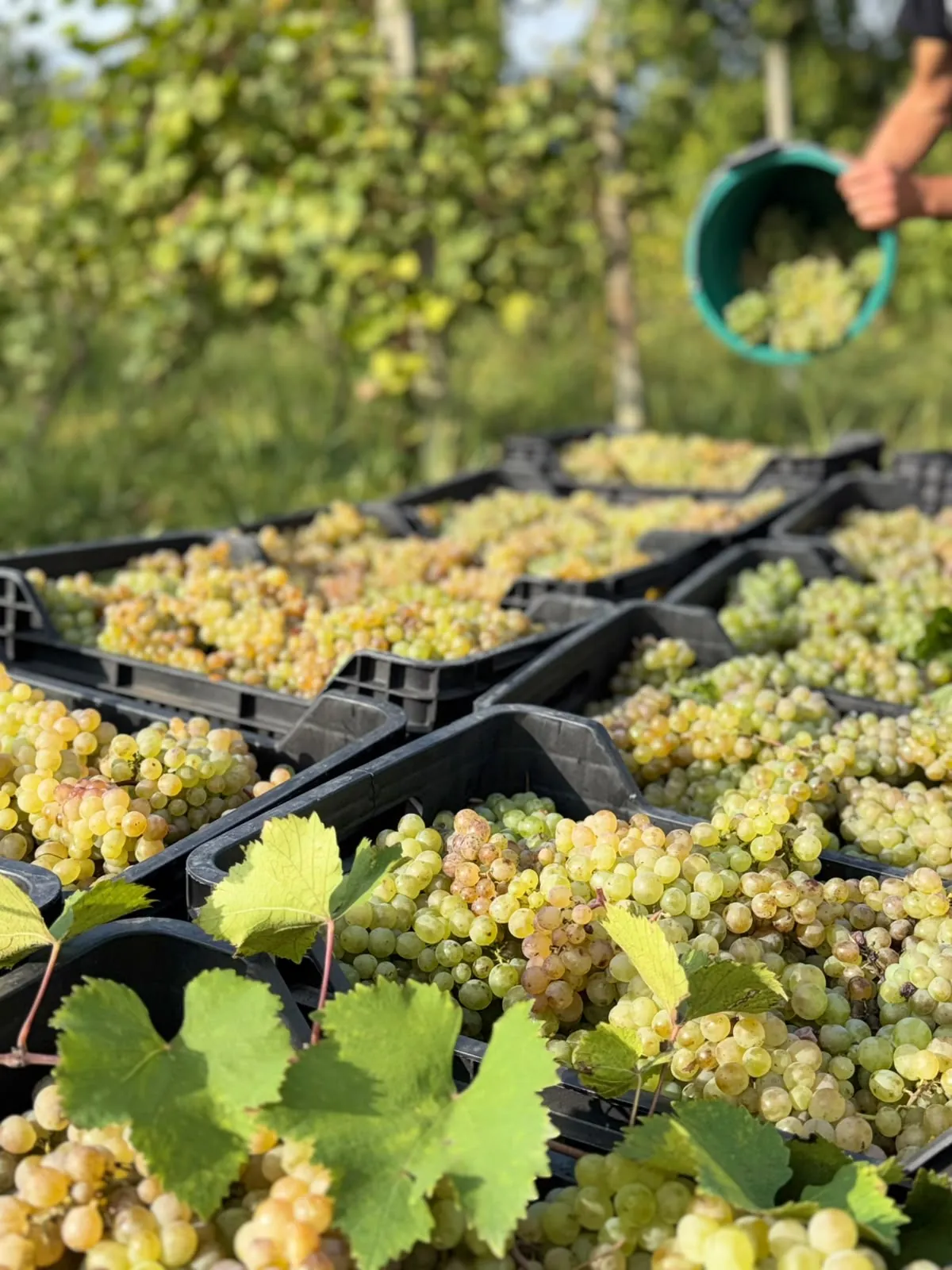
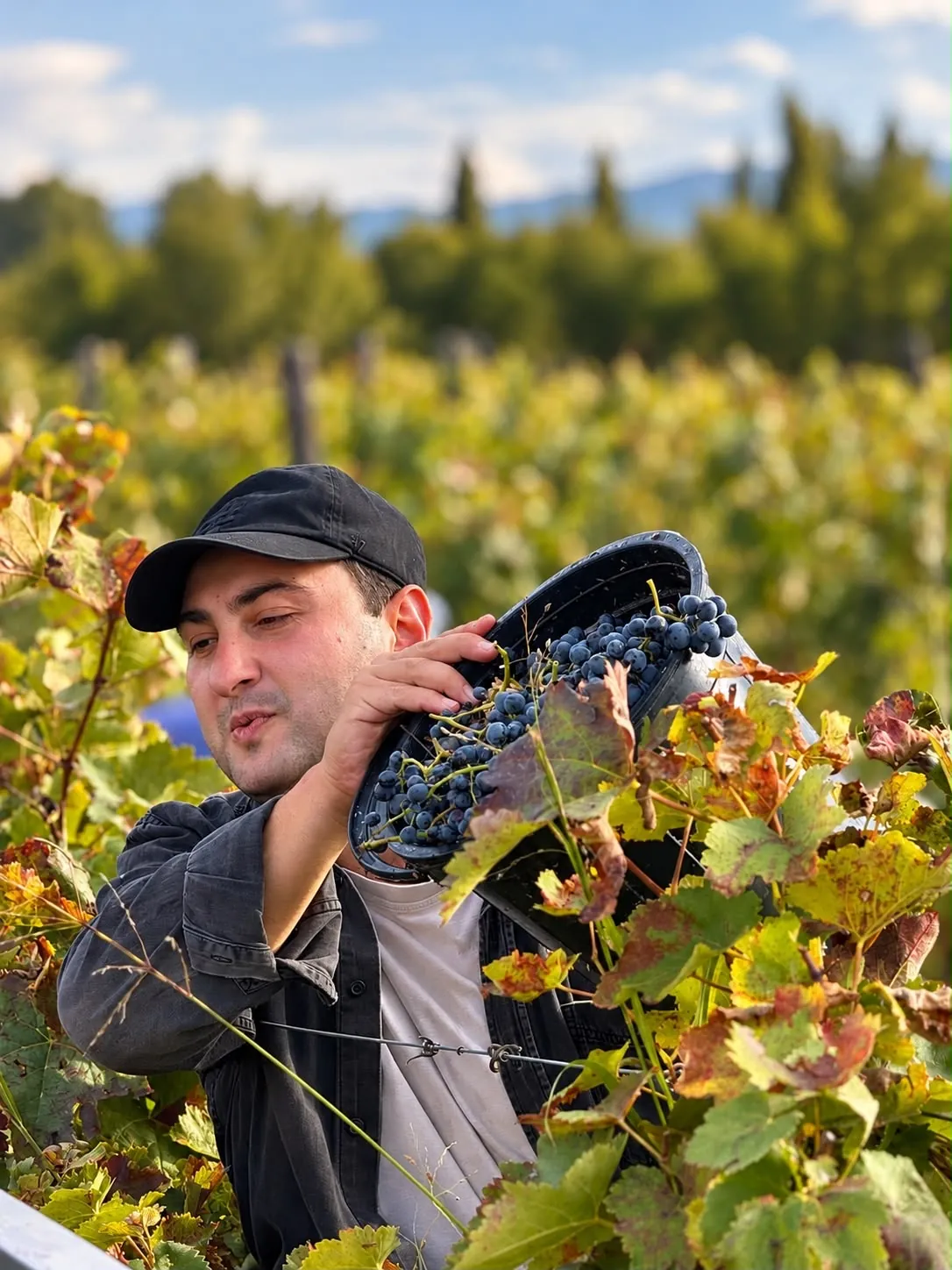
Harvesting Saperavi bunches into the crates
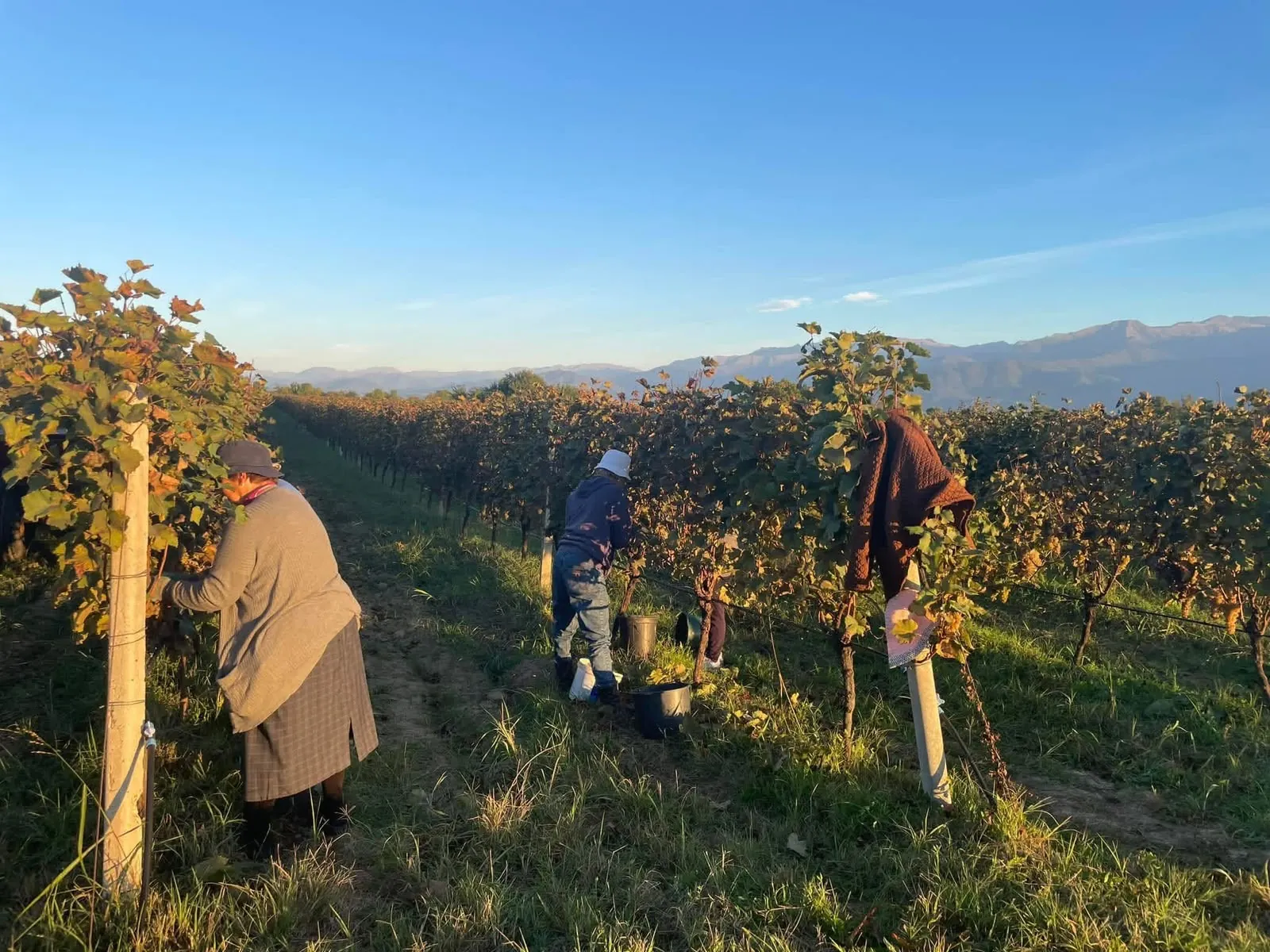
Working between the rows at harvest
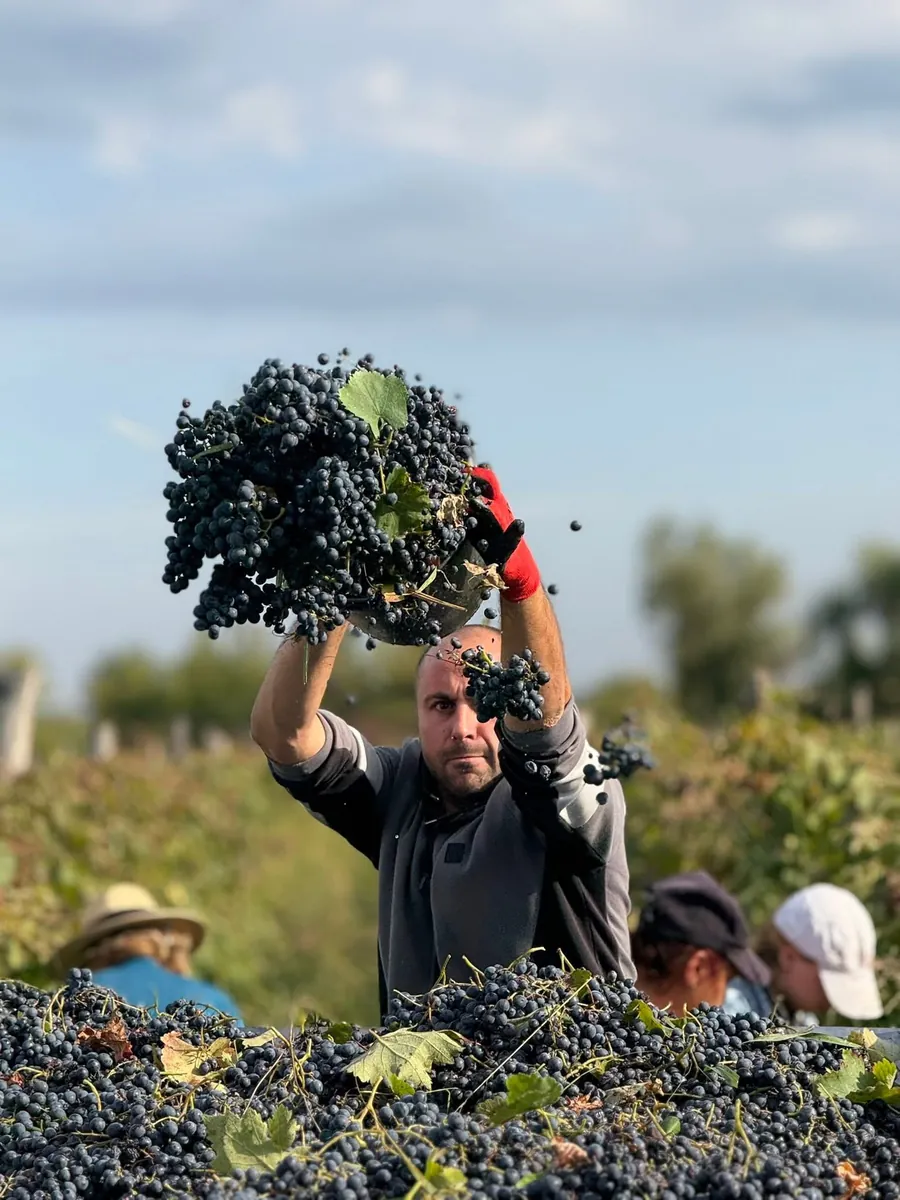
Lifting a heavy bunch of dark grapes
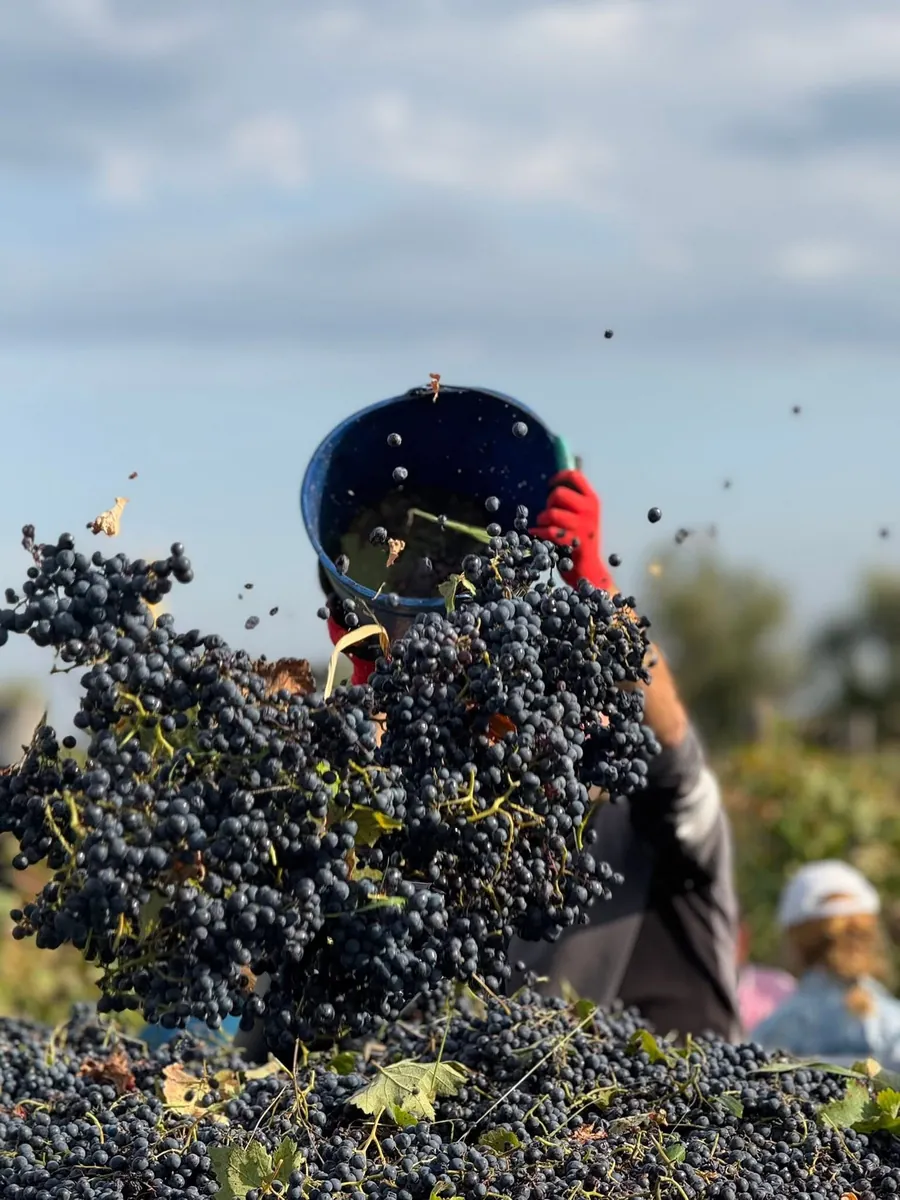
Grapes tumbling from a bucket at harvest

Grown on our 2 hectares

  • 01SaperaviRed · Qvevri, Oak & Kindzmarauli
  • 02KisiWhite · Qvevri
  • 03RkatsiteliWhite · Qvevri & French Oak
  • 04TsolikouriWhite · Qvevri & Tvishi

Rtveli · The Harvest

Gathered by hand

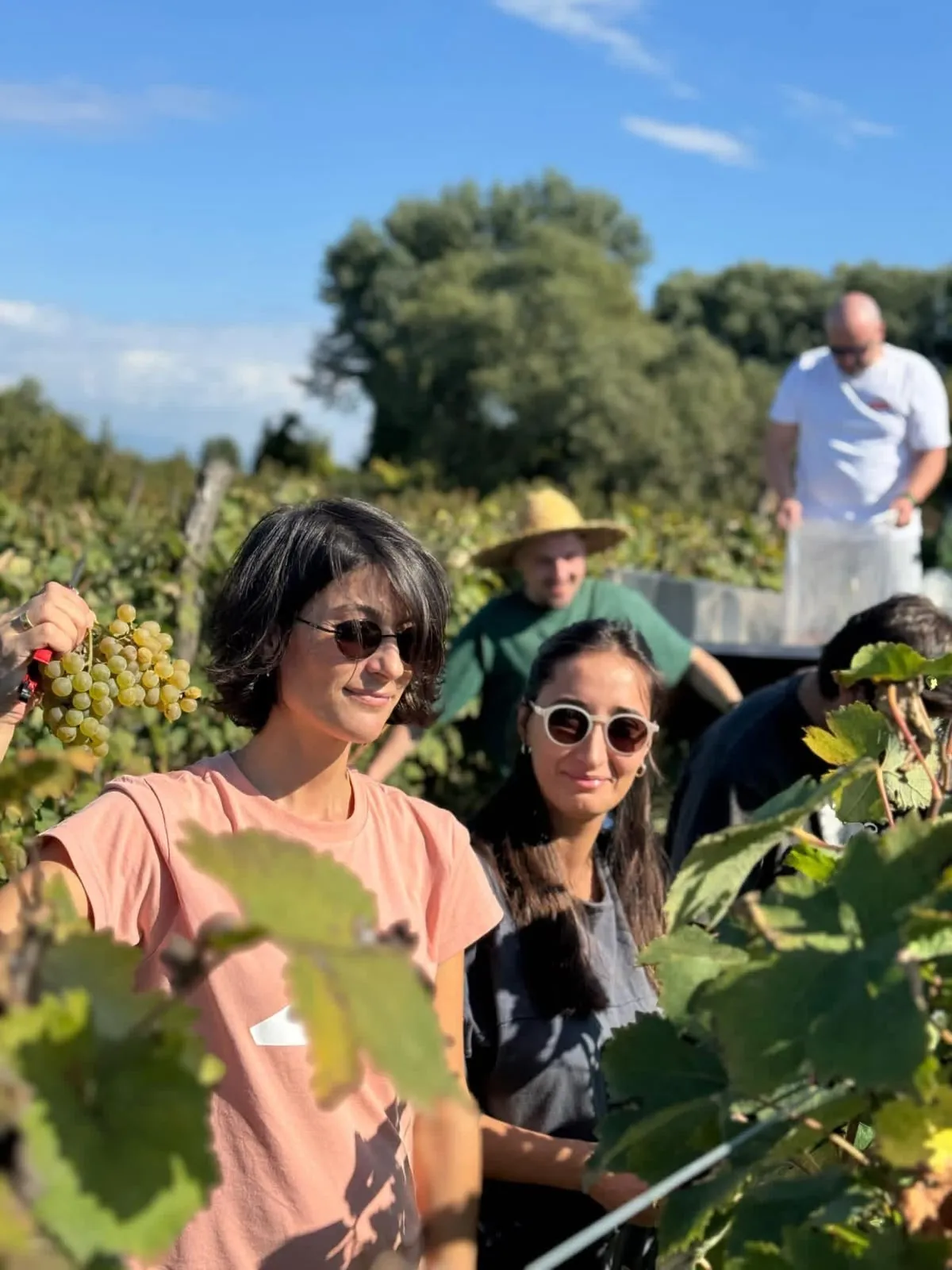
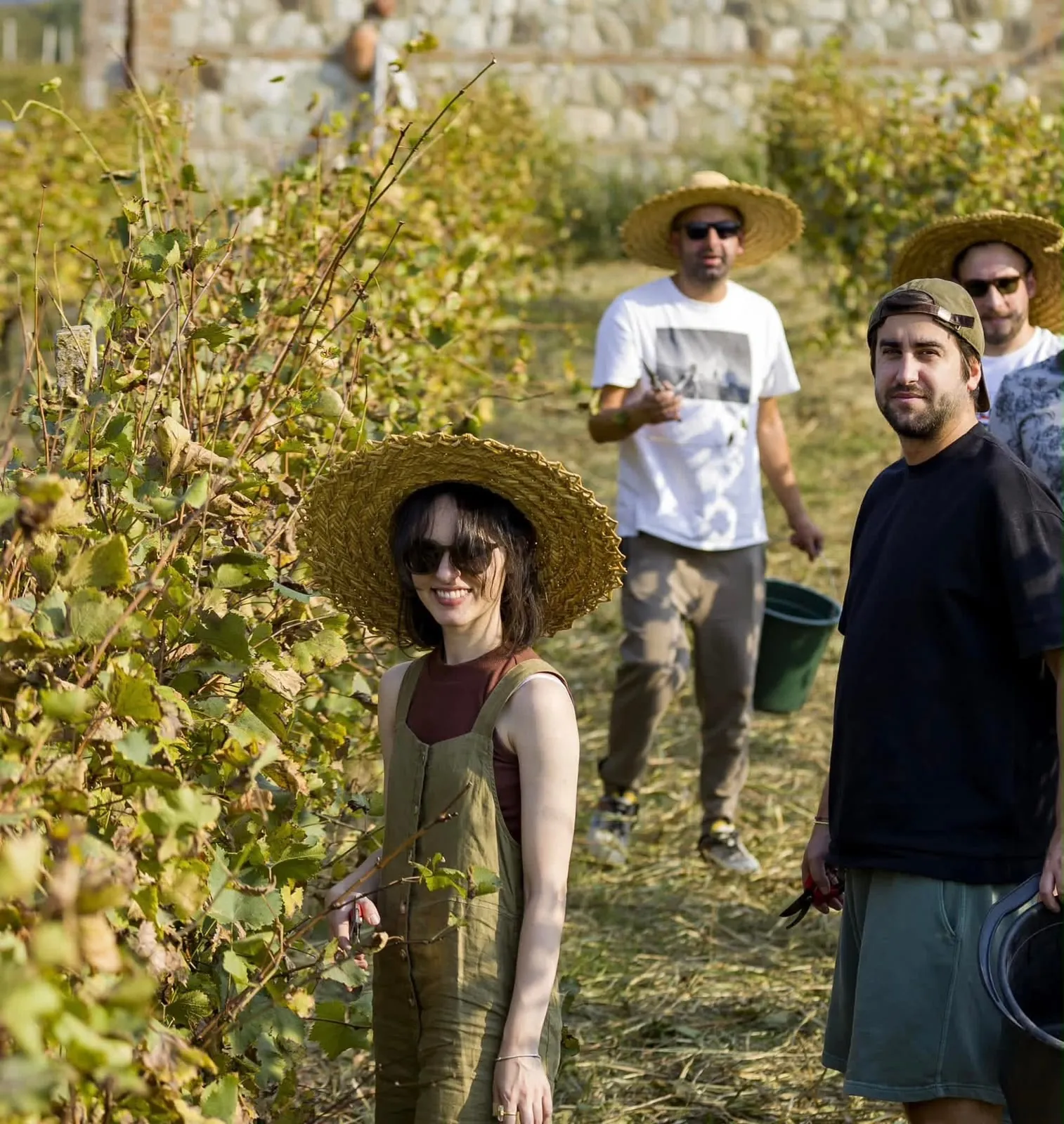
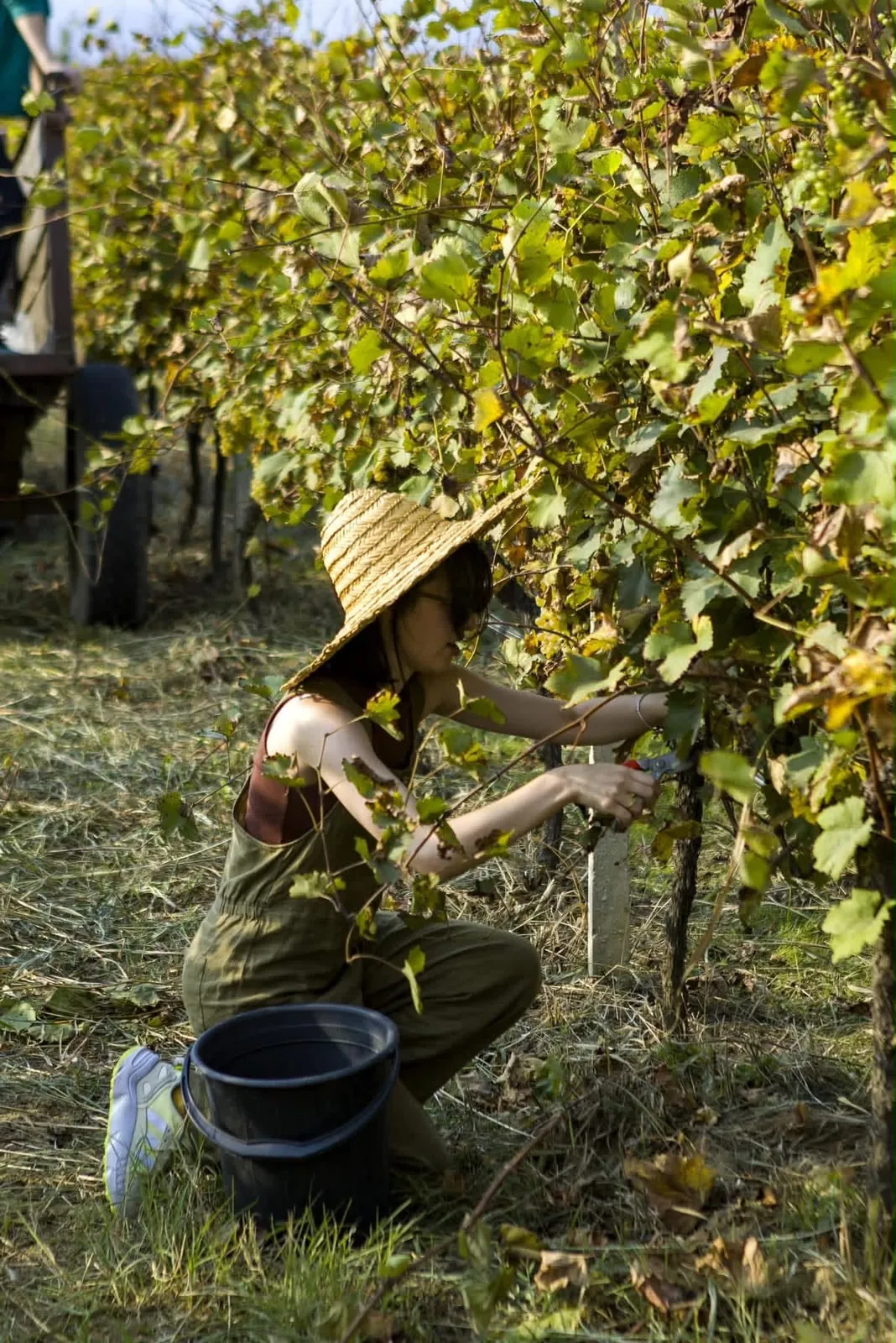
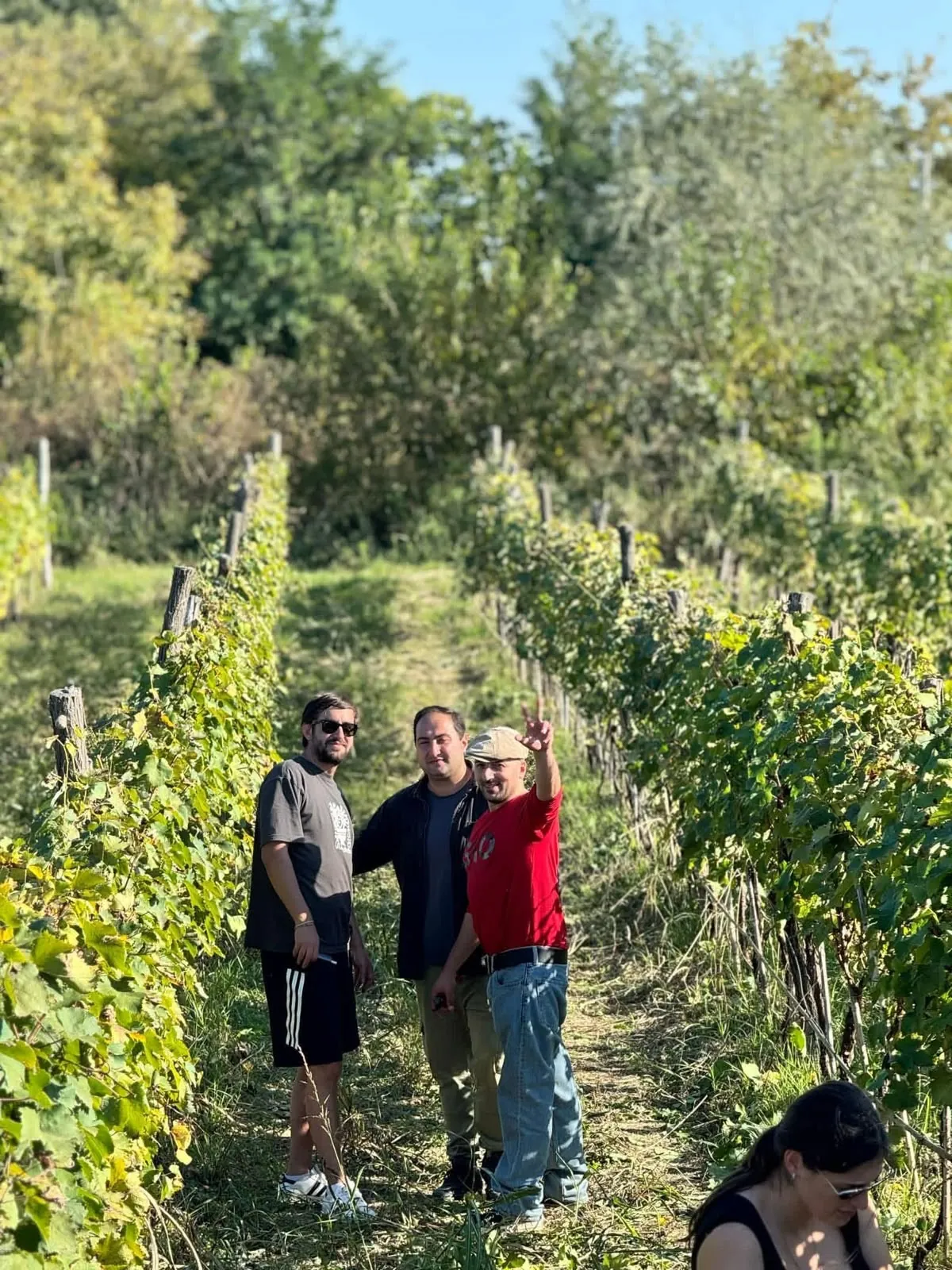
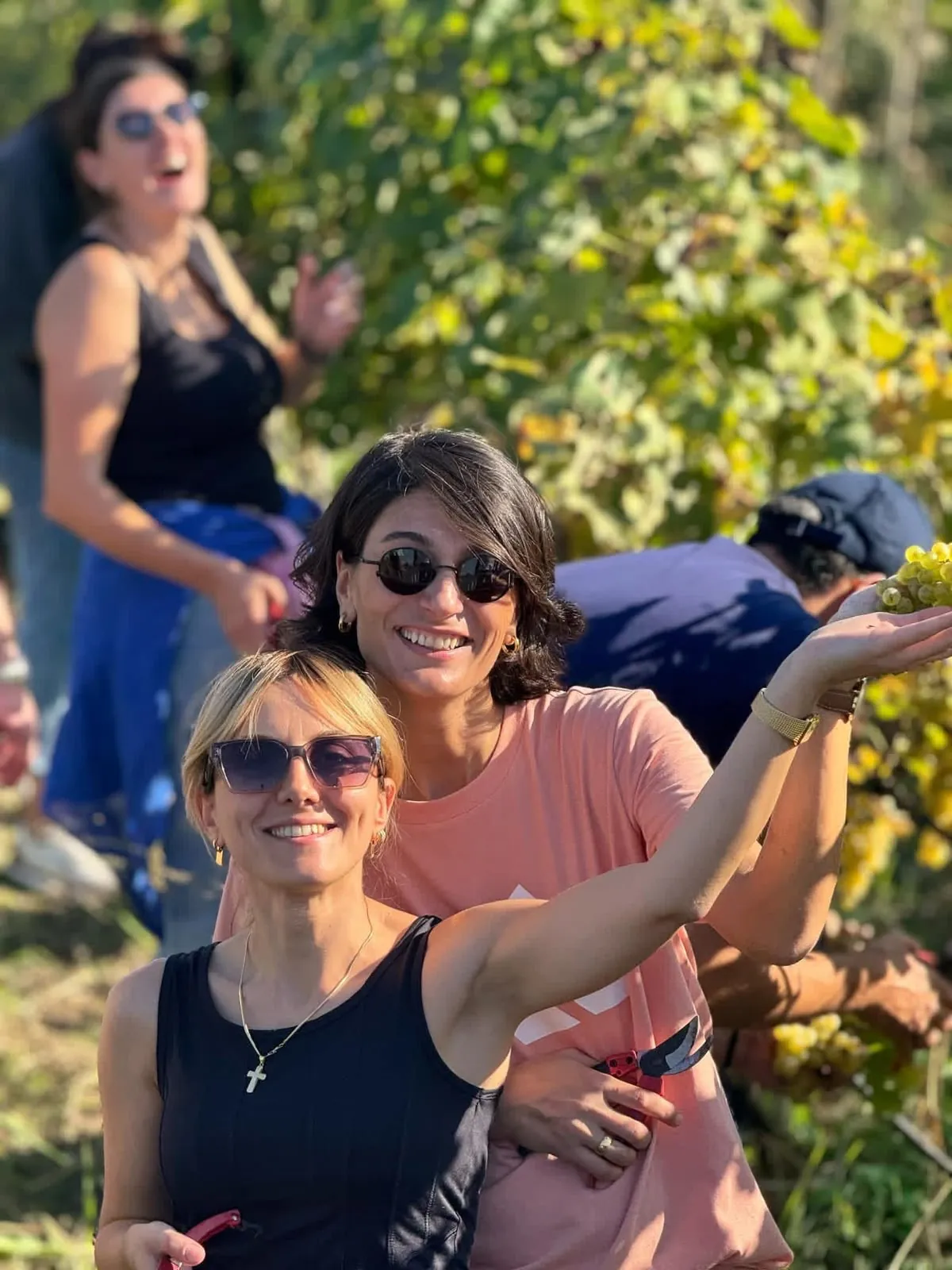
Every autumn the whole family, and every friend we can call, comes down to the rows for rtveli — the Georgian grape harvest.

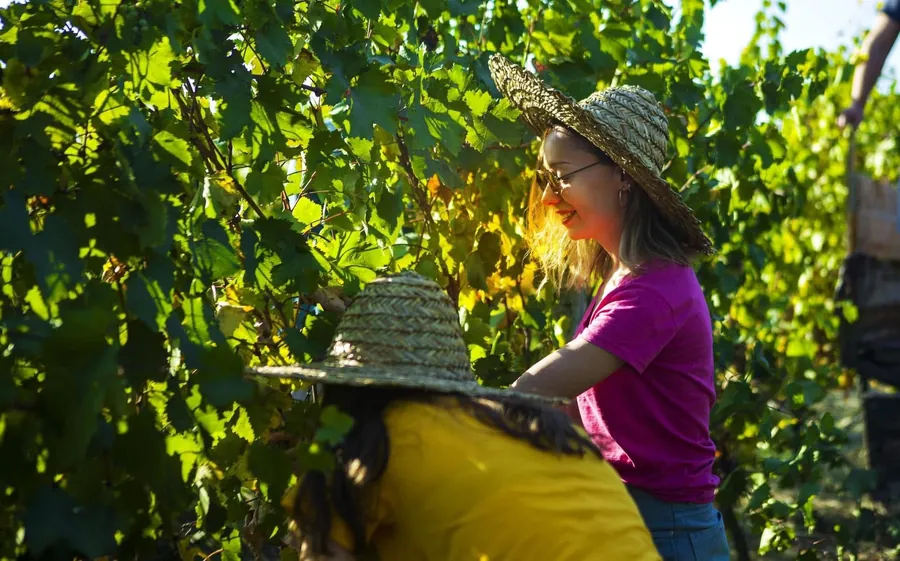
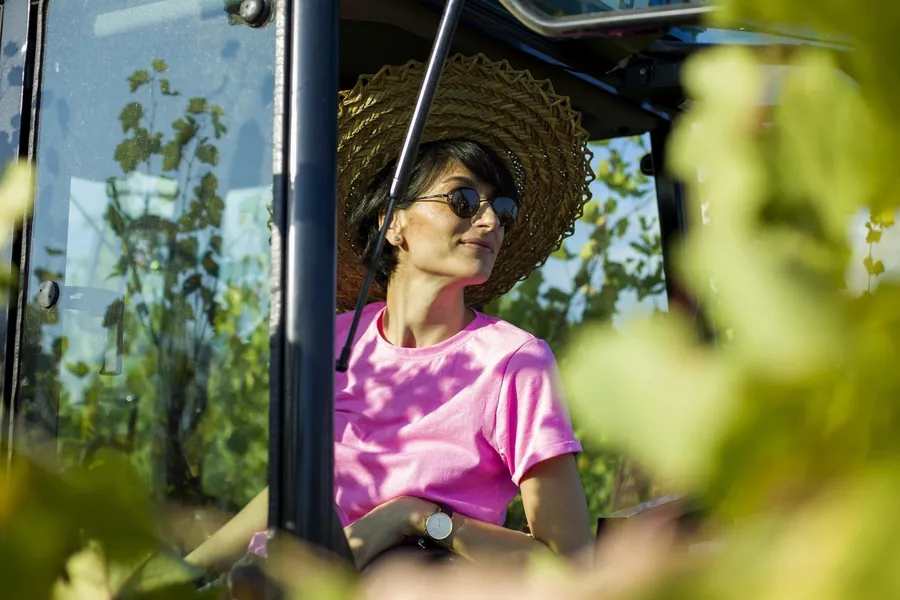
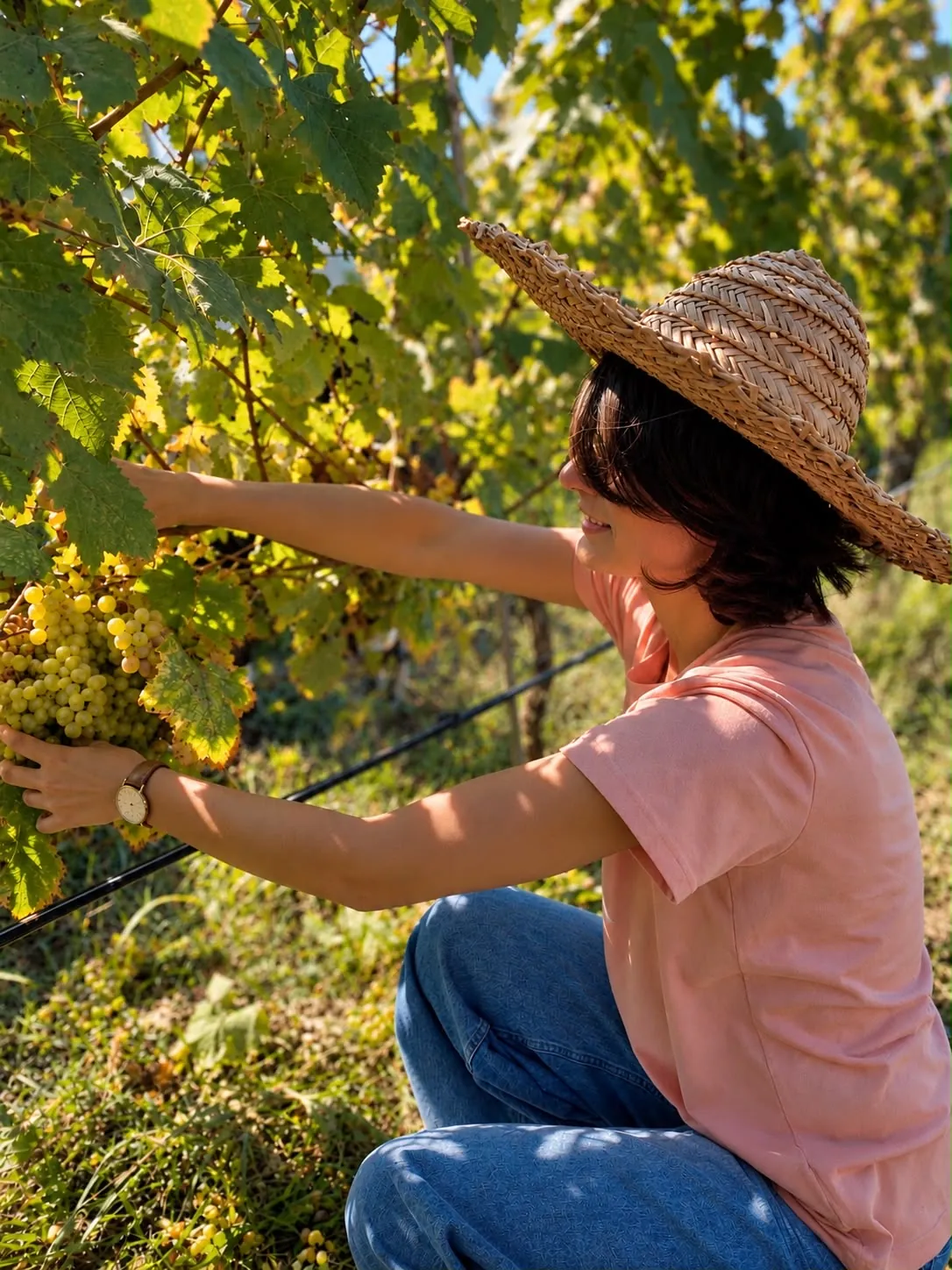
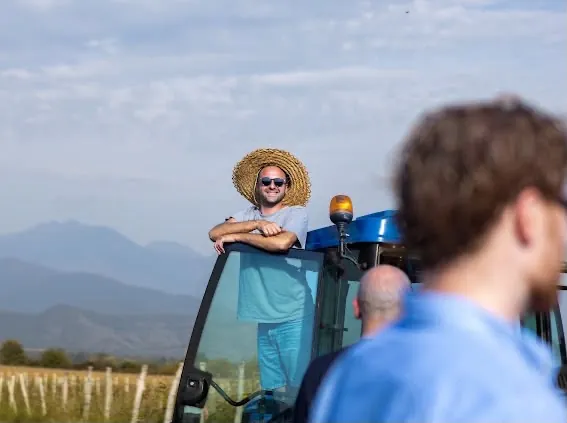
Bunch by bunch and crate by crate, Kisi, Rkatsiteli, Tsolikouri and Saperavi are picked by hand, in straw hats and good company, before they make their way to the qvevri.

from the vine to the qvevri

Our Winemaking

Three directions, one soul

I

The foundation

Traditional Qvevri Wines

We make our wines using the traditional method in qvevri buried in the earth, where the wine naturally develops and matures. Our goal is to preserve in each wine the natural character of the grape, the distinctive qualities of its origin, and the authenticity of Georgian qvevri winemaking.

For Maiseli, the qvevri is more than a vessel — it is part of our family history.

  • Saperavi Qvevri
  • Kisi Qvevri
  • Rkatsiteli Qvevri
  • Tsolikouri Qvevri
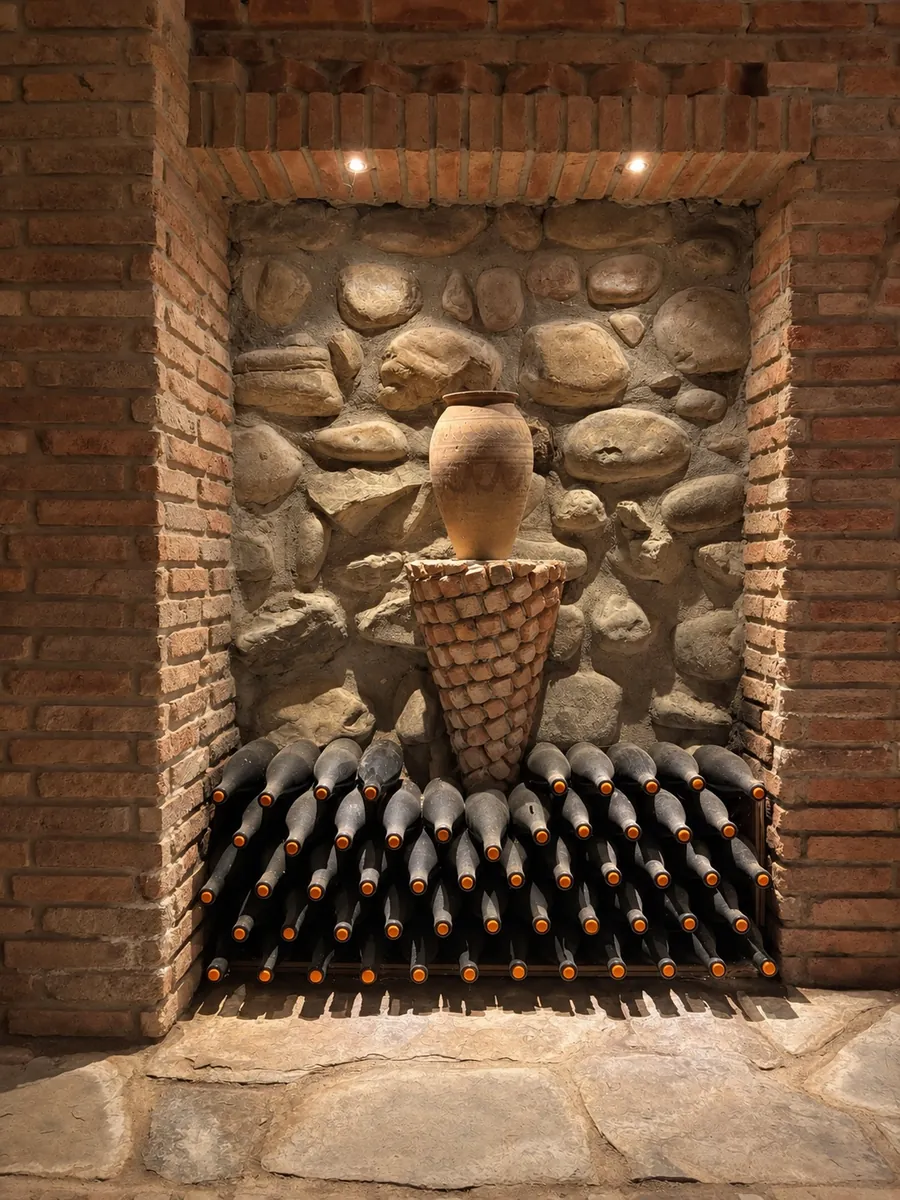
A clay qvevri displayed above rows of bottles
II

A distinctive direction

Our Heritage — Qvevri & French Oak

Saperavi and Rkatsiteli, made in qvevri using the traditional method, are further aged in French oak barrels. The qvevri preserves the wine’s Georgian identity and authentic character, while French oak adds greater depth, structure, and complexity.

A meeting of heritage and contemporary vision — with Maiseli’s own signature.

  • Saperavi Qvevri · French Oak
  • Rkatsiteli Qvevri · French Oak
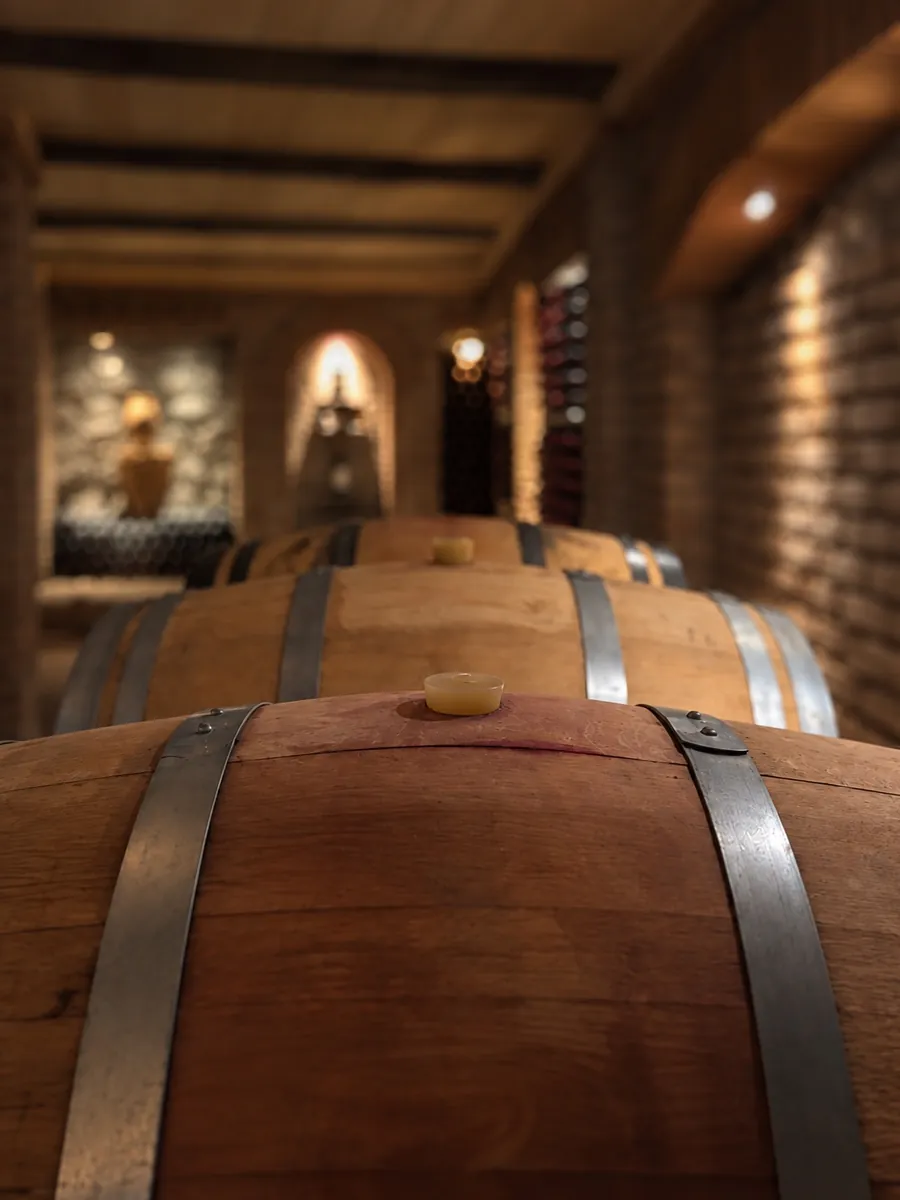
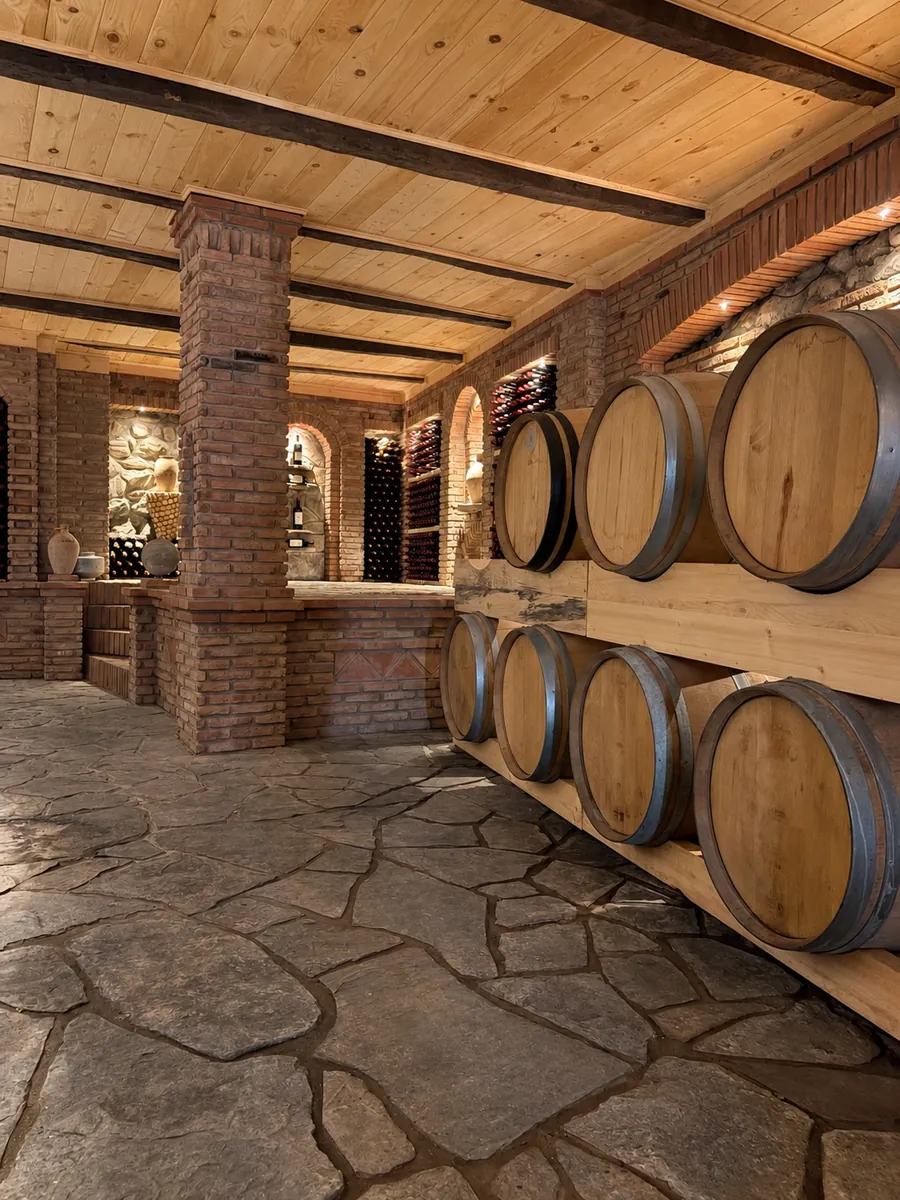
French oak barrels resting in the brick cellar
III

A Georgian tradition

Naturally Semi-Sweet Wines

Kindzmarauli and Tvishi — two distinctive Georgian wines in which natural sweetness, varietal aromas, and refined balance come together harmoniously. We preserve their natural character and individuality, reflecting both their origin and Georgia’s unique winemaking culture.

  • Kindzmarauli · Semi-Sweet Red
  • Tvishi · Semi-Sweet White
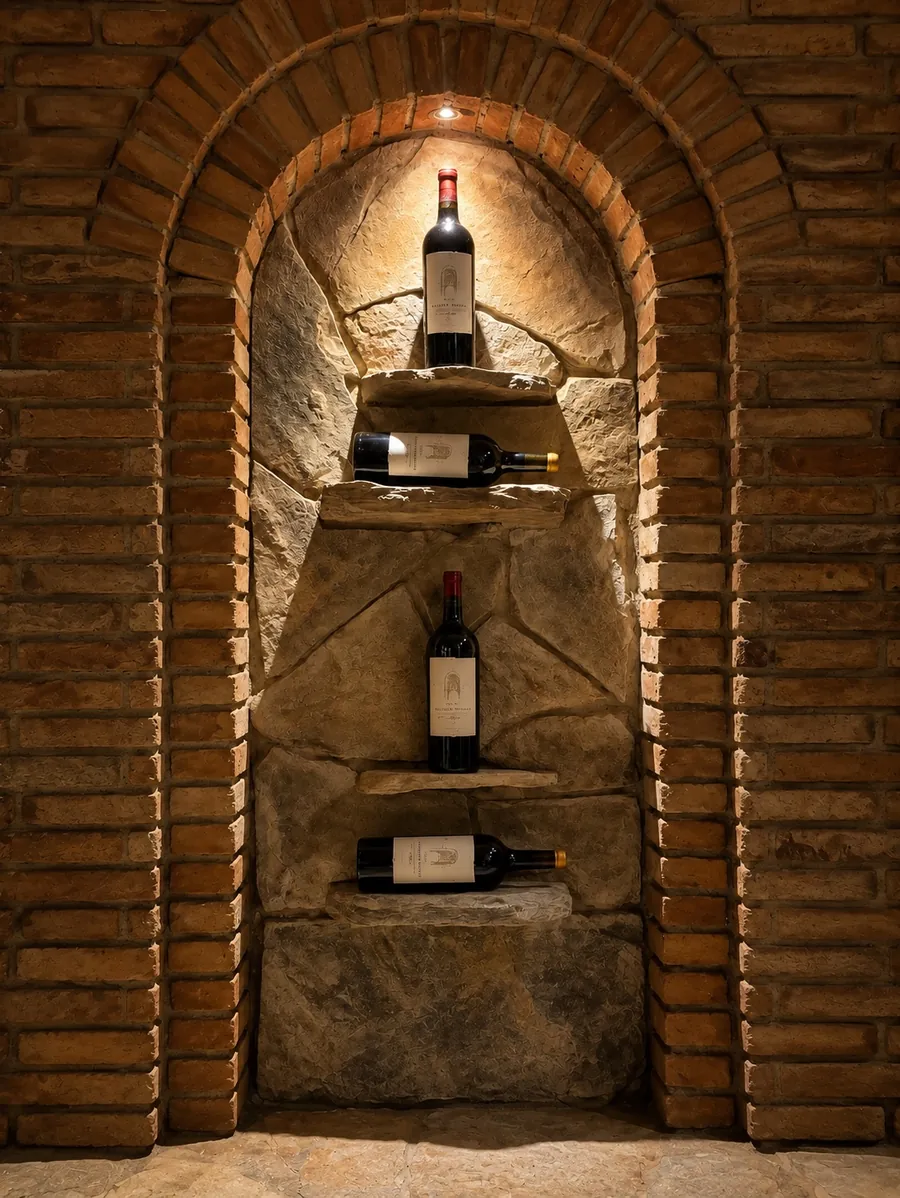
Bottles of Maiseli wine in a lit stone niche

Homeland of Wine

8,000 vintages of Georgia

For at least 8000 years, the vine has carried symbolic and sacred meaning for the Georgian people. For Georgians, winemaking and wine drinking has always been a form of art.

Scroll through time
c. 6000 BC

The first wine

Earthenware jars with residual wine compounds, found at two sites south of Tbilisi, revealed the earliest evidence of grape winemaking — some 8,000 years old.

V–VI millennium BC

The oldest qvevri

Georgia’s National Museum in Tbilisi keeps a unique qvevri dated as far back as the 5th–6th millennium.

VIII–VII c. BC

Homer’s Odyssey

Georgian wine is mentioned in the Odyssey — and many details of Georgian winemaking have remained unchanged since Homer’s time.

1686
“There is no country where more wine is drunk and no country where better wine can be found.”

— Sir John Chardin, French traveller and jeweller to the King of England and the Shah of Persia

Vitis vinifera pontica

Ancestor vines

By one theory, Phoenicians carried Georgian and Anatolian varieties to Europe — ancestors of many of today’s white grapes.

1908

Maiseli begins

Our great-grandfather buries the family’s first qvevri — the same one we still make wine in today.

2013

UNESCO

The traditional Georgian method of making wine in qvevri is inscribed as “Qvevri Wine” on the list of the world’s intangible cultural heritage.

Brick steps leading into the cellar
Clay vessel in a lit niche
Row of oak barrels
Bottles resting in an arched niche
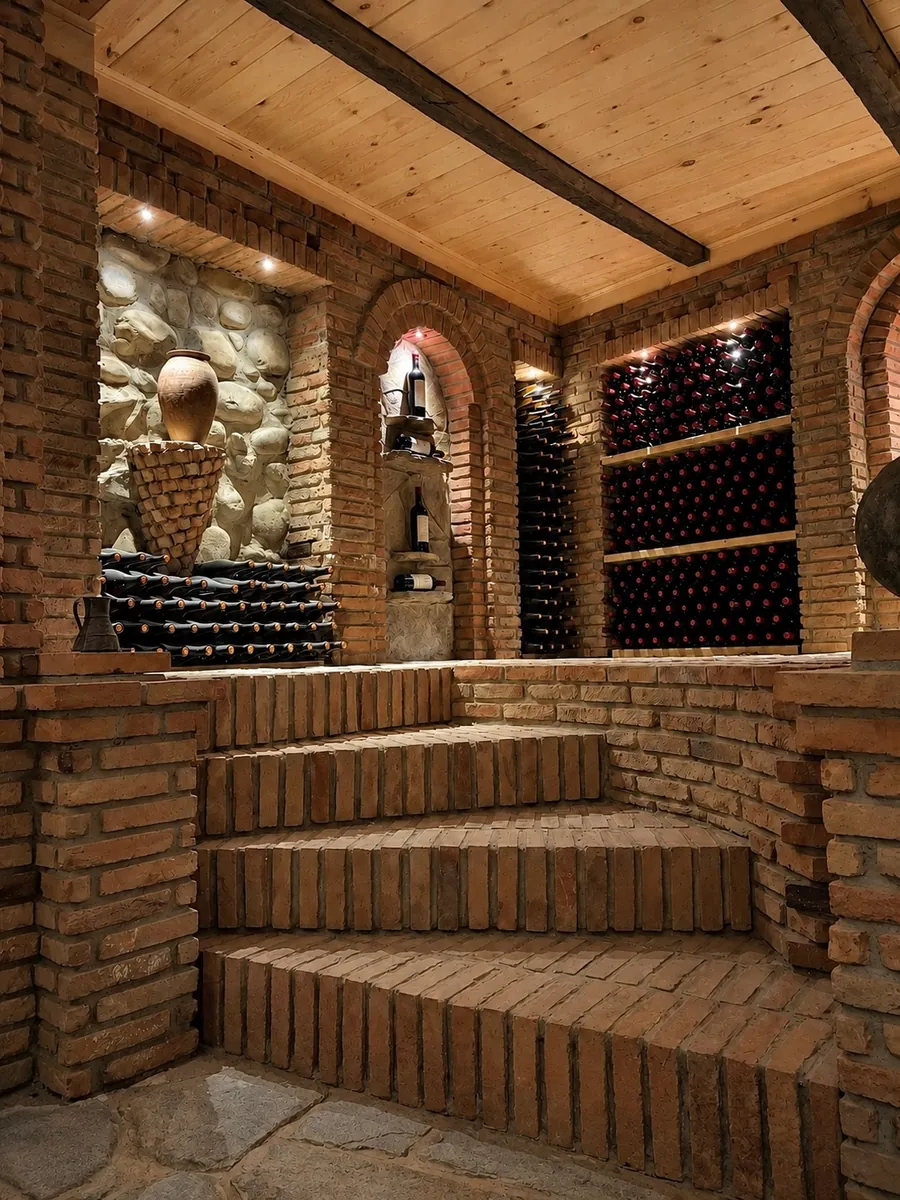
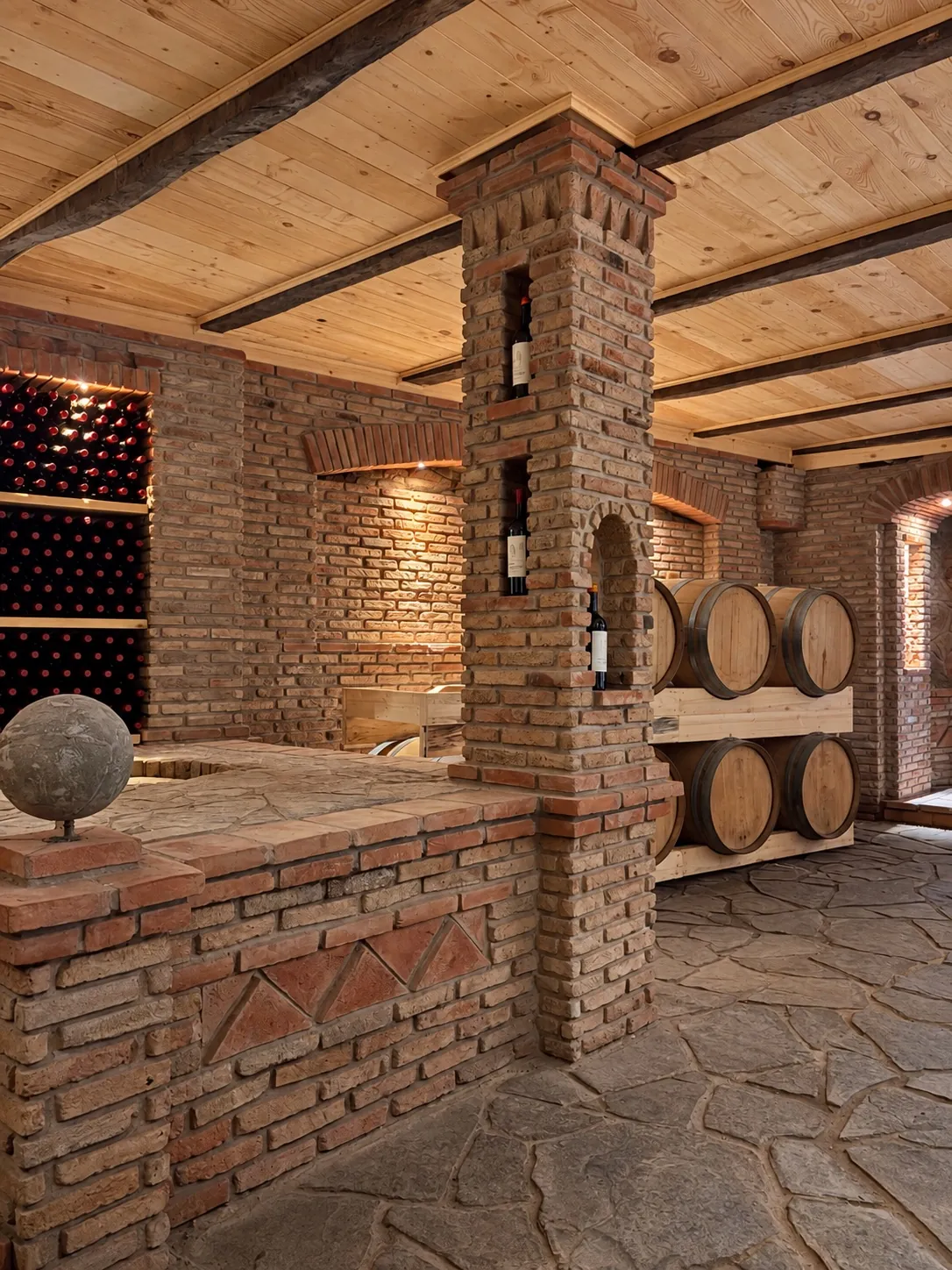
The vaulted brick hall of the Maiseli cellar
A sealed qvevri in the floor
Qvevri above stacked bottles
A barrel seen close up
Qvevri set into the floor

Step inside

From the century-old cellar

Stone, brick and earth — where sealed qvevri rest beneath the floor and every bottle is part of a hand-crafted limited run.

From the century-old cellar